Start your own company
Start your own electrical company in Florida
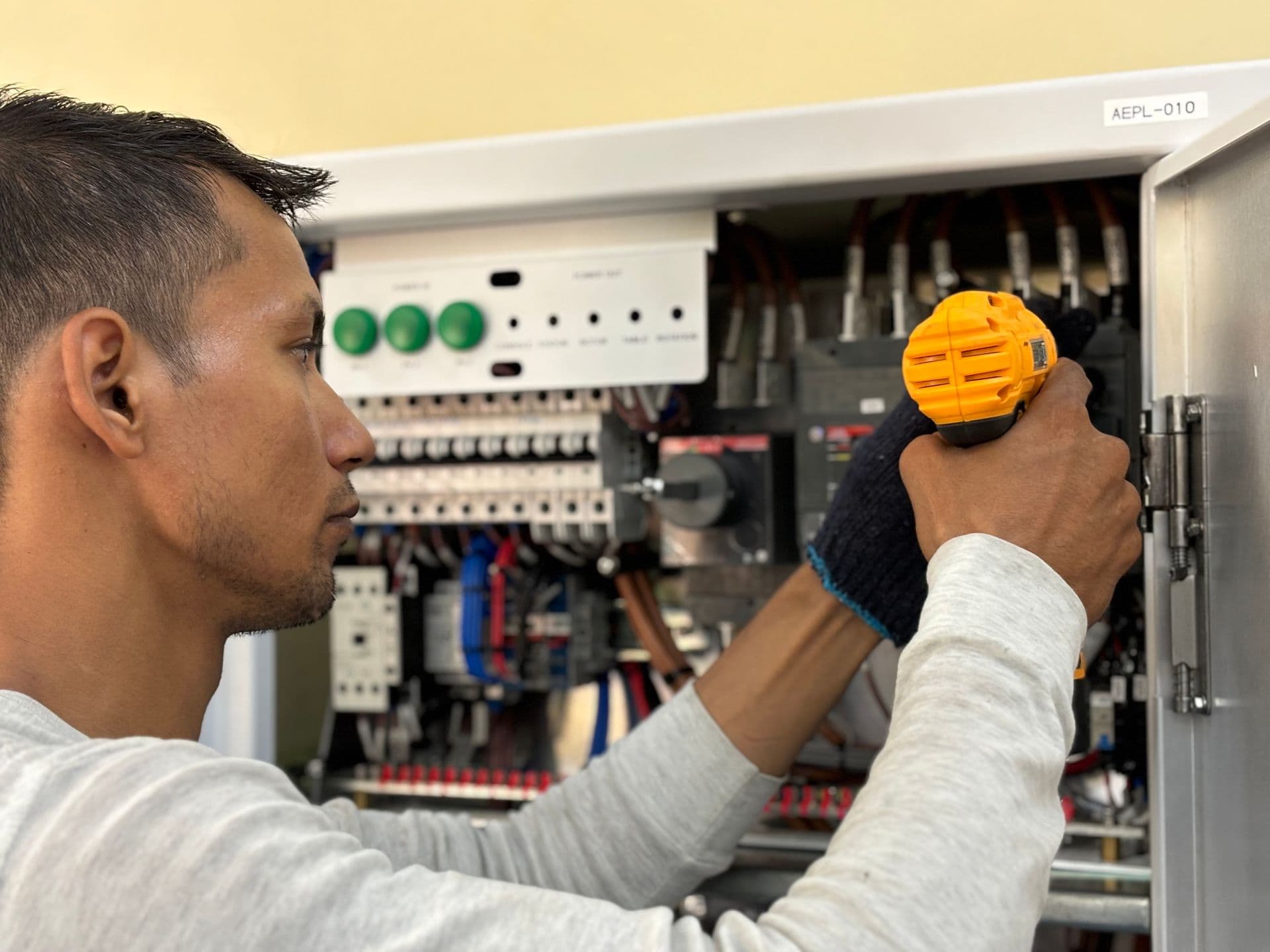
Florida's certified electrical contractor license — the EC — is the statewide credential that turns a journeyman's skill into a company of your own. The path runs through the Electrical Contractors' Licensing Board: proven experience, two serious exams, insurance, and a company the license qualifies. Here's the whole road, laid out straight.
What it takes
What it takes in Florida
Prove your experience
The Electrical Contractors' Licensing Board (under the Florida DBPR) accepts several experience paths to the certified electrical contractor (EC) license — years of comprehensive hands-on experience, supervisory time, or a mix of accredited education and field work. Gather your proof early: W-2s, employer affidavits, and the license numbers of the contractors you worked under. Which path fits you determines your paperwork, so confirm yours with the DBPR first.
Pass the state exams
You'll sit for the electrical trade exam — code, calculations, safety — and the business & finance exam covering lien law, contracts, and accounting. Both are open-book against approved references, and both reward tabbed books and real study time. Most first-try passers used a prep course.
Clear the financial responsibility and background check
The board reviews your credit as evidence of financial responsibility — fall below its threshold and you can post a licensing bond rather than be turned away. Fingerprints and a background check are part of the application too. Neither is a dead end; both are worth knowing about before you apply.
Register your company with Sunbiz and get an EIN
File your LLC with the Florida Division of Corporations at sunbiz.org — a bit over a hundred dollars, usually approved within days — and get your free EIN from the IRS. The company needs to exist before your license can qualify it.
Line up insurance and workers' comp
The board requires general liability coverage at set minimums before the license is issued, and Florida's construction-industry workers' comp rules apply essentially the moment anyone works for you, with limited owner exemptions. Use an agent who knows electrical contractors — coverage in this trade is not the place to guess.
Qualify the business
In Florida the license belongs to a person, and that person must "qualify" the company — a DBPR filing that makes you the qualifying agent for your own LLC. Once approved, your company can pull permits and contract electrical work statewide under your EC license.
Pick up local business tax receipts
Counties and many cities require a business tax receipt to operate there — in Tampa Bay, often both. Short applications, modest annual fees; check with each tax collector where you'll work.
A BTA specialist walks you through every one of these steps, on the phone, in order — you never file anything alone.
Our specialists walk you through the steps and point you to the right agencies — they don't give legal, tax, or insurance advice. For decisions about your specific situation, talk to your own attorney or CPA.
Information reviewed July 2026
Free guide
Get the free electrical startup guide
Everything above, plus the full step-by-step for Florida — sent straight to your inbox and yours to keep, whether you join the alliance or not.
Ready now? Apply to join the alliance.
Skip the guide and talk to a real person — we'll walk you through the rest, no sales script.